Plant Light Calculator & Solution Finder
Find exact light requirements for any plant. Calculate natural seasonal daylight, detect lighting deficits, and size the ideal supplemental grow light.
Lighting Parameters
Have a reading? Enter it to replace solar modeling with exact measurements:
Photometric Analysis
Confidence: Good (Modeled)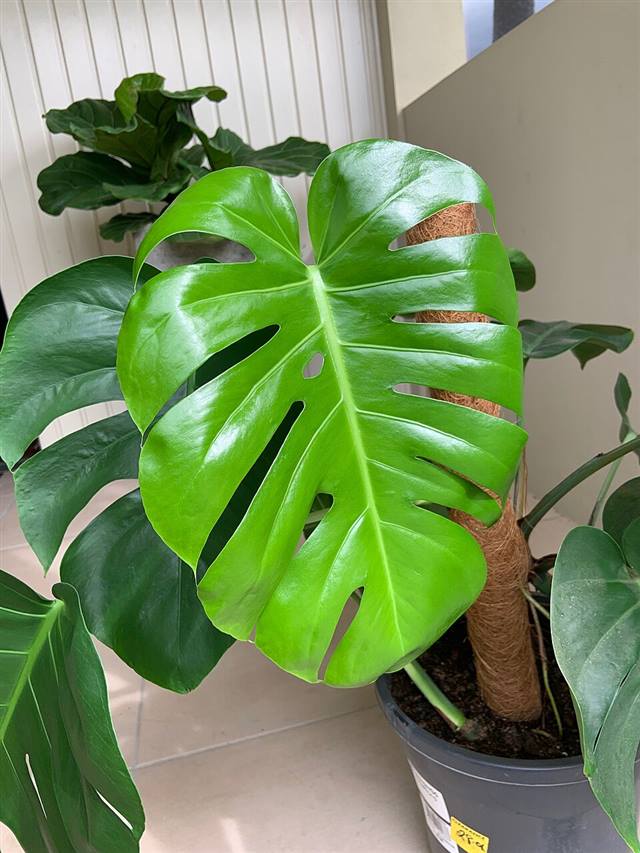
Plant is receiving ideal photon volume for vigorous photosynthesis and healthy foliage.
Action Plan for Optimal Growth
Scale of Plant Brightness: From Deep Shade to Full Sun
How human eye perception (lux) compares to photosynthetic photon volume (PPFD & DLI).
Closet / Windowless Room
Insufficient for all plant life. Plants survive for a few weeks before collapsing without grow lights.
Interior Room / North Sill
Minimum maintenance for cast iron plants, snake plants, and ZZ plants. Little to no active growth.
East / Shaded West Window
Sweet spot for most foliage: Monstera, Pothos, Calathea, Philodendrons, and Ferns.
South Window / Grow Shelf
Vigorous growth for Fiddle Leaf Figs, Herbs, Seedlings, and Flowering Orchids.
Outdoor Summer Noon
Necessary for Cacti, Succulents, Tomatoes, Peppers, and Outdoor Fruit trees.
Plant Lighting Standards & DLI Reference Table
Complete scientific targets for 50+ houseplants, succulents, herbs, and indoor trees.
| Plant Species | Category | Ideal DLI | Ideal PPFD | Photoperiod | Natural Exposure | Calculator |
|---|---|---|---|---|---|---|
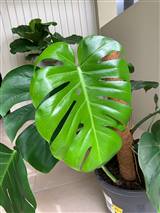
Monstera DeliciosaMonstera deliciosa | aroid | 8.5 (4-14) | 200 µmol | 10–14 hrs | part shade | |
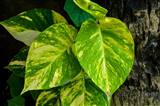
Golden Pothos (Devil’s Ivy)Epipremnum aureum | aroid | 5.5 (2-10) | 130 µmol | 8–14 hrs | full shade | |
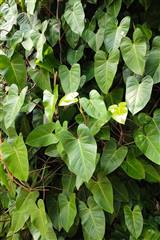
Heartleaf PhilodendronPhilodendron hederaceum | aroid | 6 (2.5-10) | 140 µmol | 8–14 hrs | full shade | |
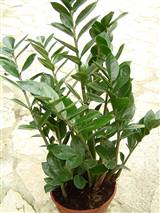
ZZ Plant (Zanzibar Gem)Zamioculcas zamiifolia | aroid | 4.5 (1.5-9) | 100 µmol | 8–12 hrs | full shade | |
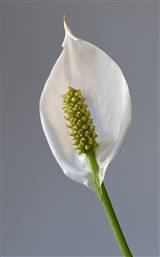
Peace LilySpathiphyllum wallisii | aroid | 5 (2-8) | 120 µmol | 8–12 hrs | full shade | |
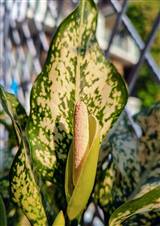
Chinese Evergreen (Aglaonema)Aglaonema commutatum | aroid | 5.5 (2-9) | 120 µmol | 8–14 hrs | full shade | |
Alocasia Polly (African Mask)Alocasia × amazonica | aroid | 9 (4.5-14) | 220 µmol | 10–14 hrs | part shade | |
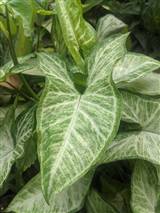
Arrowhead Vine (Syngonium)Syngonium podophyllum | aroid | 6.5 (3-11) | 160 µmol | 10–14 hrs | part shade | |
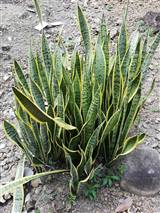
Snake Plant (Sansevieria)Dracaena trifasciata | succulent | 6 (2-15) | 150 µmol | 8–14 hrs | part sun | |
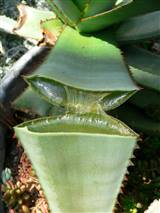
Aloe VeraAloe vera | succulent | 12 (6-20) | 300 µmol | 10–14 hrs | full sun | |
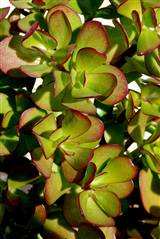
Jade Plant (Crassula)Crassula ovata | succulent | 12.5 (6-22) | 320 µmol | 10–14 hrs | full sun | |
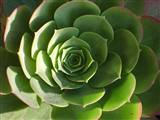
Echeveria Rosette SucculentsEcheveria spp. | succulent | 15 (8-25) | 400 µmol | 12–16 hrs | full sun | |
Desert Cacti (Mammillaria / Echinocactus)Cactaceae spp. | succulent | 18 (10-30) | 500 µmol | 12–16 hrs | full sun | |
String of PearlsCurio rowleyanus | succulent | 10 (5-16) | 250 µmol | 10–14 hrs | part sun | |
Zebra HaworthiaHaworthiopsis attenuata | succulent | 7.5 (3.5-12) | 180 µmol | 8–12 hrs | part shade | |
Sweet Basil (Genovese)Ocimum basilicum | herb_veggie | 16 (10-24) | 400 µmol | 12–16 hrs | full sun | |
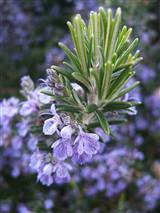
RosemarySalvia rosmarinus | herb_veggie | 18 (12-26) | 450 µmol | 12–16 hrs | full sun | |
Mint (Peppermint / Spearmint)Mentha × piperita | herb_veggie | 12 (6-18) | 300 µmol | 10–14 hrs | part sun | |
Common ThymeThymus vulgaris | herb_veggie | 16 (10-24) | 400 µmol | 12–16 hrs | full sun | |
Italian Flat-Leaf ParsleyPetroselinum crispum | herb_veggie | 13 (8-18) | 300 µmol | 10–14 hrs | part sun | |
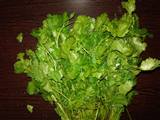
Cilantro (Coriander)Coriandrum sativum | herb_veggie | 14 (8-20) | 350 µmol | 10–14 hrs | full sun | |
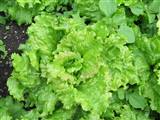
Leaf Lettuce & MicrogreensLactuca sativa | herb_veggie | 14 (8-18) | 250 µmol | 12–16 hrs | part sun | |
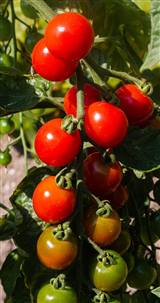
Dwarf Tomato (Micro-Tom / Cherry)Solanum lycopersicum | fruiting | 22 (14-32) | 500 µmol | 12–18 hrs | full sun | |
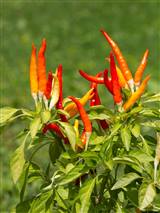
Chilli & Bell PepperCapsicum annuum | fruiting | 20 (12-30) | 480 µmol | 12–16 hrs | full sun | |
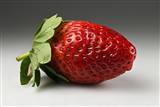
Indoor StrawberryFragaria × ananassa | fruiting | 18 (12-25) | 400 µmol | 12–16 hrs | full sun | |
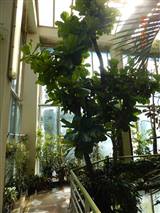
Fiddle Leaf FigFicus lyrata | tree | 12 (6-18) | 300 µmol | 10–14 hrs | part sun | |
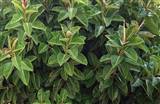
Rubber Tree (Ficus elastica)Ficus elastica | tree | 10 (5-16) | 250 µmol | 10–14 hrs | part sun | |
Money Tree (Pachira)Pachira aquatica | tree | 7.5 (3.5-12) | 180 µmol | 8–12 hrs | part shade | |
Parlor PalmChamaedorea elegans | tree | 5 (2-8) | 120 µmol | 8–12 hrs | full shade | |
Areca Palm (Butterfly Palm)Dypsis lutescens | tree | 10 (5-16) | 250 µmol | 10–14 hrs | part sun | |
Dragon Tree (Dracaena marginata)Dracaena marginata | tree | 6 (2.5-10) | 150 µmol | 8–12 hrs | part shade | |
Meyer Lemon Tree (Indoor)Citrus × meyeri | tree | 22 (14-32) | 550 µmol | 12–16 hrs | full sun | |
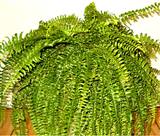
Boston Fern (Sword Fern)Nephrolepis exaltata | fern | 6 (2.5-10) | 140 µmol | 8–12 hrs | full shade | |
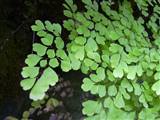
Maidenhair FernAdiantum raddianum | fern | 5 (2-8) | 120 µmol | 8–12 hrs | full shade | |
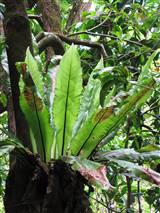
Bird’s Nest FernAsplenium nidus | fern | 5.5 (2.5-9) | 130 µmol | 8–12 hrs | full shade | |
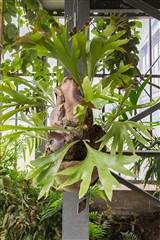
Staghorn FernPlatycerium bifurcatum | fern | 7.5 (3.5-12) | 180 µmol | 8–14 hrs | part shade | |
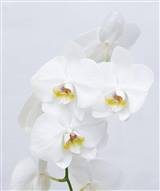
Moth Orchid (Phalaenopsis)Phalaenopsis spp. | flowering | 6.5 (3-10) | 150 µmol | 8–12 hrs | part shade | |
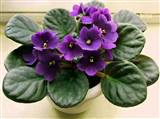
African VioletStreptocarpus sect. Saintpaulia | flowering | 7 (3.5-10) | 160 µmol | 10–14 hrs | part shade | |
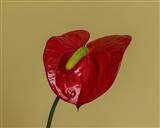
Flamingo Flower (Anthurium)Anthurium andraeanum | flowering | 7 (3.5-11) | 160 µmol | 10–14 hrs | part shade | |
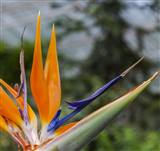
Bird of Paradise (Strelitzia)Strelitzia reginae | flowering | 16 (8-26) | 400 µmol | 10–14 hrs | full sun | |
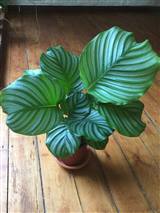
Calathea Orbifolia (Prayer Plant)Goeppertia orbifolia | foliage | 5.5 (2.5-9) | 130 µmol | 8–12 hrs | full shade | |
Spider PlantChlorophytum comosum | foliage | 6 (2.5-11) | 150 µmol | 8–14 hrs | part shade |
Plant photo credits
Plant photographs come from Wikimedia Commons and are used under their respective free licences. Each photo is credited to its author and licence below.
- Monstera Deliciosa — Kittykittymaomao (CC BY-SA 4.0)
- Golden Pothos (Devil’s Ivy) — Joydeep (CC BY-SA 3.0)
- Heartleaf Philodendron — Moheen Reeyad (CC BY-SA 4.0)
- ZZ Plant (Zanzibar Gem) — User:WeFt (CC BY-SA 3.0)
- Peace Lily — W.carter (CC BY-SA 4.0)
- Chinese Evergreen (Aglaonema) — Redmyname31 (CC BY-SA 4.0)
- Alocasia Polly (African Mask) — Wiki Farazi (CC0)
- Arrowhead Vine (Syngonium) — Stephanie cheks (CC BY-SA 4.0)
- Snake Plant (Sansevieria) — JOAN (CC BY-SA 4.0)
- Aloe Vera — Raul654 (CC BY-SA 3.0)
- Jade Plant (Crassula) — JLPC (CC BY-SA 3.0)
- Echeveria Rosette Succulents — Simon Burchell (CC BY-SA 4.0)
- Desert Cacti (Mammillaria / Echinocactus) — H. Zell (CC BY-SA 3.0)
- String of Pearls — YuriNikolai (CC BY-SA 4.0)
- Zebra Haworthia — S Molteno (CC BY-SA 4.0)
- Sweet Basil (Genovese) — PumpkinSky (CC BY-SA 4.0)
- Rosemary — THOR (CC BY 2.0)
- Mint (Peppermint / Spearmint) — Kızıl (CC BY-SA 4.0)
- Common Thyme — Naturpuur (CC BY 4.0)
- Italian Flat-Leaf Parsley — H. Zell (CC BY-SA 3.0)
- Cilantro (Coriander) — Rupeshm364 (CC BY-SA 4.0)
- Leaf Lettuce & Microgreens — GT1976 (CC BY-SA 4.0)
- Dwarf Tomato (Micro-Tom / Cherry) — Friedrich Haag (CC BY-SA 4.0)
- Chilli & Bell Pepper — PierreSelim (CC BY 3.0)
- Indoor Strawberry — Ivar Leidus (CC BY-SA 4.0)
- Fiddle Leaf Fig — Smatu (CC BY-SA 4.0)
- Rubber Tree (Ficus elastica) — Alvesgaspar (talk) (CC BY-SA 4.0)
- Money Tree (Pachira) — Tbatb (CC BY-SA 4.0)
- Parlor Palm — Bachelot Pierre J-P (CC BY-SA 3.0)
- Areca Palm (Butterfly Palm) — KENPEI (CC BY-SA 3.0)
- Dragon Tree (Dracaena marginata) — Wikimedia Commons contributor (CC BY-SA 3.0)
- Meyer Lemon Tree (Indoor) — Genet (Diskussion) (CC BY-SA 3.0 de)
- Boston Fern (Sword Fern) — Wikimedia Commons contributor (CC BY-SA 3.0)
- Maidenhair Fern — Forest & Kim Starr (CC BY 3.0)
- Bird’s Nest Fern — Forest and Kim Starr (CC BY 3.0 us)
- Staghorn Fern — Another one of my pictures: This photograph was taken by Medium69 (William Crochot) and released under the license stated below. You are free to use it for any purpose as long as you credit the author (William Crochot), the Source (Wikimedia Commons) and the license (CC-BY-SA 4.0) in close relation to the image. Please do not upload an updated image here without consultation with the Author. The author would like to make corrections only at his own source RAW. This ensures that the changes are preserved.Please if you think that any changes should be required, please inform the author.Otherwise you can upload a new image with a new name. Please use one of the templates derivative or extract. (CC BY-SA 4.0)
- Moth Orchid (Phalaenopsis) — Alvesgaspar (CC BY-SA 4.0)
- African Violet — Wildfeuer (CC BY-SA 3.0)
- Flamingo Flower (Anthurium) — Agnes Monkelbaan (CC BY-SA 4.0)
- Bird of Paradise (Strelitzia) — Diego Delso (CC BY-SA 3.0)
- Calathea Orbifolia (Prayer Plant) — Fregisseur (CC BY-SA 4.0)
- Spider Plant — Juan Carlos Fonseca Mata (CC BY-SA 4.0)
Why Generic Lighting Advice Fails
The "Wattage & Lumens" Trap
Lumens measure human eye sensitivity peaked at yellow-green (555 nm), which plants reflect. A weak 10W decorative LED bulb produces high visual brightness but almost zero usable PAR for plant photosynthesis.
The Winter Sunlight Collapse
At mid-latitudes, natural daylight drops by 60% to 75% between June and December. A windowsill spot that thrives in summer often plunges into a critical photon deficit all winter long.
Window Distance Inverse-Square Law
Moving a plant from 1 foot (30 cm) to 6 feet (1.8 m) away from a window doesn’t reduce light by half—it slashes available photons by up to 80% due to geometric decay and narrow sky angles.
Architectural Light Quality & Horticultural Photometrics
Why standard commercial lights fail indoor plants, and how to combine biological plant vitality with human interior aesthetics.
Human Eye V(λ) vs. Plant PAR (400–750 nm)
Human lumens measure yellow-green light (555 nm) which chloroplasts largely reflect. Plants absorb blue (430–450 nm) for compact stems and deep red (640–660 nm) for photosynthetic energy. Modern research also incorporates Far-Red (730 nm, Emerson Effect) to accelerate leaf cell division.
The UMD Extension Foot-Candle (fc) Standard
Human pupils dilate automatically in dim rooms from 2 mm to 8 mm, gathering 16× more light and deceiving us into thinking a room corner has plenty of light. In reality, light drops below 50 fc (<500 lux) where plants starve. Use 50–250 fc for low-light survival, 250–500 fc for medium foliage, and 500–1,000+ fc for sun lovers.
CRI Ra ≥ 95 & Deep Red R9 (XAL Standard)
Standard office LEDs (CRI 80, R9 < 20) lack the 660 nm deep red wavelength, causing tropical leaves to look dull and muddy while starving Chlorophyll A. For residential living rooms and office atriums, fixtures with CRI Ra ≥ 95 and R9 ≥ 90 reveal natural lush foliage colors while maximizing plant health.
Vertical Green Walls & 45° Asymmetric Optics
Standard downlights positioned directly overhead illuminate only the top tier of foliage, leaving lower leaves in deep shadow and causing bottom foliage drop. High-performance plant walls use 45° asymmetric wall-wash optics positioned from above to bathe the entire vertical column uniformly.
Frequently Asked Questions: Plant Lighting & Health
Find exact light requirements for any plant. Calculate natural seasonal daylight, detect lighting deficits, and size the ideal supplemental grow light.
Light Spectrum & Light Colors
Which color of light is best for plant growth and indoor plants?
Full-spectrum white light (combining 400nm to 700nm with peaks in blue 450nm and red 660nm) is best for indoor plants. Blue light regulates stomatal opening, thickens leaves, and keeps stems compact. Red light drives massive photosynthetic energy, cellular expansion, and flowering. While plants can grow under pink/purple ("blurple") light, broad-spectrum white light (3500K–5000K) produces healthier leaf structure, makes pest detection easier, and matches natural sunlight.
What color light do plants grow worst in, and what colors are worst absorbed?
Plants grow worst in monochromatic green or yellow light (500nm–580nm). Chlorophyll a and b pigments absorb blue and red photons strongly while reflecting green wavelengths, which is why healthy foliage appears green. Growing a plant under purely green light results in weak, stunted photosynthesis. However, in broad full-spectrum light, green photons actually penetrate deeper into dense canopy layers than red or blue light.
What kind of lighting is best for plants, and which light helps plants grow fastest?
High-efficacy full-spectrum LED fixtures delivering 150 to 350 µmol/m²/s of PPFD with a color rendering index (CRI) ≥ 90 are ideal for indoor plants. Plants grow fastest when supplied with their optimal Daily Light Integral (DLI)—neither starved in dim ambient room light nor oversaturated to the point of photo-inhibition. Modern Samsung LM301 or ceramic LED diodes provide the highest photon efficacy (µmol/J) with minimal heat.
Regular Bulbs vs. Grow Lights
Can any LED light or standard household lamp be used as a grow light?
Yes, ordinary household LED bulbs (specifically 4000K–5000K "Daylight" bulbs) emit photosynthetic active radiation (PAR) and can sustain plants. However, standard household bulbs diffuse light across 180°–360° at low wattage. To be effective, standard bulbs must be placed very close (6–12 inches / 15–30 cm) or fitted inside a directional reflector clamp lamp to concentrate photons on the leaf canopy.
Does a plant light really work, and can plants survive with just artificial light?
Yes, plant grow lights really work, and indoor plants can thrive indefinitely with zero natural sunlight. Chloroplasts do not know or care where photons originate—whether from the sun 93 million miles away or an LED diode 18 inches above. As long as the artificial fixture delivers the required Daily Light Integral (DLI) in moles/m²/day and a balanced spectrum, plants will photosynthesize, produce new leaves, bloom, and fruit.
What can I use instead of a dedicated grow light?
Practical low-cost alternatives include: (1) High-lumen directional LED flood/spot bulbs (PAR38 or BR30 in 5000K daylight), (2) 4-foot LED utility shop lights (40W–50W delivering ~4,000 lumens), and (3) T5 high-output fluorescent shop fixtures. Placing these within 8–16 inches of your foliage provides adequate PPFD for tropical houseplants and herbs without buying expensive specialized fixtures.
What are the disadvantages of LED grow lights?
The main disadvantages are: (1) Rapid intensity decay—light levels drop drastically with distance following the inverse-square law; (2) "Blurple" (red/blue) LEDs cause eye strain and distort plant colors, making pest and disease diagnosis difficult; (3) Thermal heat buildup at the aluminum driver heatsink, which can scorch leaves if placed in direct physical contact; and (4) Cheap unbranded LED lights often exaggerate wattage and degrade in output after 6–12 months.
Why do standard office lights (CRI 80) fail indoor plants, and why does CRI Ra ≥ 95 matter?
Standard commercial office LEDs are engineered for cheap lumen efficiency and typically have a Color Rendering Index of Ra > 80 with an R9 (deep red) value below 20. They severely lack the 660 nm deep red photons essential for Chlorophyll A synthesis, causing tropical foliage to appear dull, muddy, and yellow-greenish while starving cellular growth. Professional architectural plant lighting utilizes Ra ≥ 95 with R9 around 90–95, ensuring vibrant visual plant foliage for humans while providing the deep red spectrum required for vigorous plant photosynthesis.
What is the best color temperature (Kelvin) for plant lights in living spaces and homes?
For residential living rooms, bedrooms, and corporate offices, 3000K to 3500K High-CRI white light is the ideal sweet spot. While cool industrial LEDs (5000K–6500K) are energy efficient for commercial greenhouses, they create an uncomfortably sterile atmosphere in living areas and can make leaves appear pale and bleached. A 3000K–3500K fixture with an Ra ≥ 95 provides warm ambient comfort for humans while delivering the rich red and blue spectral peaks plants require.
How should lighting be angled for vertical living green walls and tall indoor plants?
Vertical plant walls should be illuminated using asymmetric wall-washer optics mounted at a 45° angle from above. Standard downlights pointing straight down create harsh shadowing where the top foliage blocks light from reaching lower tiers, leading to bottom leaf loss within months. A 45° wall-washer projects light evenly across the entire vertical height from top to root base without dazzling people in the room.
Photoperiod, Daily Hours & Night Cycles
How many hours a day should I use a grow light?
Most low-to-medium light indoor foliage plants (Monstera, Pothos, Snake Plant) require 8 to 12 hours daily. High-light succulents, herbs, microgreens, and dwarf tomatoes need 14 to 16 hours daily. Because artificial grow lights produce lower instantaneous intensity (PPFD) than full outdoor noon sunlight, running lights for longer photoperiods compensates to reach the target Daily Light Integral (DLI).
Should I leave my plant light on all night?
No, you should never leave grow lights on 24 hours a day. Plants require a dark period for cellular respiration, carbohydrate translocation, and circadian hormonal signaling. Continuous 24-hour light stresses foliage, degrades chlorophyll, and prevents short-day plants (Poinsettias, Jade, Christmas Cacti) from ever developing flower buds. Always give plants at least 6 to 8 hours of darkness.
Do plants grow faster in light or dark, and do they grow more at night or morning?
Plants synthesize carbohydrates (food energy) strictly during the day through photosynthesis, but cellular expansion, stem elongation, and leaf unfolding occur predominantly at night and in the early morning. In total darkness, plants undergo etiolation—stretching abnormally tall and weak in a survival response to find light. Healthy, sturdy growth requires both illuminated photosynthesis and dark respiration.
Light Deprivation & Low Light Tolerance
Can plants survive 3 days without light, and what happens if a plant doesn't get light?
Yes, healthy mature houseplants can easily survive 3 to 7 days without light by metabolizing stored starch and sugars in stems and tubers (as occurs during shipping). If deprived of light for longer periods, photosynthesis ceases: plants shed lower leaves, stems stretch spindly, new growth emerges ghostly pale/yellow (chlorosis), and roots rot due to lack of water transpiration.
Is 2 hours of sunlight enough for indoor plants?
For 95% of plants, 2 hours of sunlight is not enough for healthy long-term growth. Direct sun through a standard window for 2 hours delivers only about 1.5 to 3.0 DLI, which is below the minimum threshold for active foliage growth. Only low-light survivors (Cast Iron Plant, ZZ Plant, Snake Plant) will persist in such spots; other plants will experience leaf thinning and leaf drop unless supplemented by 8–10 hours of grow lighting.
Light Intensity, Overlighting & Sunburn
Can plants get too much light, and can too much LED light hurt plants?
Yes, excessive light causes photo-inhibition and photo-oxidation. When photons hit leaves faster than chloroplasts can process electrons, excess energy damages leaf pigments. Symptoms of light stress include bleached white or pale yellow patches on upper foliage, leaves curling downward or inward to shield themselves, and crispy brown necrotic burns on leaves closest to the diodes.
What plants can handle full direct sun all day?
Plants with natural adaptations like thick waxy cuticles, CAM metabolism, and reflective trichomes thrive in full sun all day. Ideal choices include Desert Cacti (Mammillaria, Echinocactus), Succulents (Agave, Echeveria, Jade), Mediterranean Herbs (Rosemary, Thyme, Lavender), Bird of Paradise (*Strelitzia*), Meyer Lemon trees, and outdoor fruiting vegetables (Tomatoes, Peppers).
Horticultural Science & Measurement
What is DLI (Daily Light Integral) and why is it better than Lux or Foot-candles?
Daily Light Integral (DLI) measures the total cumulative number of photosynthetic photons (moles of light) delivered to 1 square meter over 24 hours. Lux and foot-candles only measure instantaneous human-eye brightness (peaked at 555 nm green). A plant under 150 µmol/m²/s for 14 hours receives ~7.5 DLI, whereas an intense burst of 500 µmol/m²/s for only 2 hours yields just 3.6 DLI. DLI correlates directly with true biological plant growth.
What is the difference between PPF and PPFD?
PPF (Photosynthetic Photon Flux, measured in µmol/s) is the total quantity of PAR photons emitted by a grow light fixture in every direction each second. PPFD (Photosynthetic Photon Flux Density, measured in µmol/m²/s) is the density of those photons actually striking your plant canopy per square meter per second. PPFD decreases dramatically as you raise the fixture.
How accurate is measuring light with a phone camera meter?
Phone cameras can estimate lux within 15% to 25% accuracy when calibrated against a reference surface. By applying our spectrum conversion factors (e.g. 0.0185 for sunlight, 0.019 for full-spectrum LED), camera readings provide a practical estimate of PPFD and DLI for home houseplants. For commercial greenhouses or precision canopy mapping, an optical quantum PAR sensor is recommended.
What is the difference between Foot-Candles (fc) and Lux for indoor plants?
1 Foot-Candle (fc) equals 10.764 Lux. Agricultural extension services (like University of Maryland Extension) frequently prescribe light in foot-candles: 50–250 fc (500–2,500 lux) is low light, 250–500 fc (2,500–5,000 lux) is medium light, and 500–1,000+ fc (5,000–10,000+ lux) is high light. Measuring light in fc or lux eliminates human pupil deception and tells you the true photon density reaching your foliage.
What is a plant's Light Compensation Point (LCP) vs Light Saturation Point (LSP)?
The Light Compensation Point (LCP) is the minimum photon threshold where carbohydrate production from photosynthesis exactly balances carbohydrate consumption from cellular respiration. Below the LCP (typically <10–25 µmol/m²/s or <50–120 fc for tropical houseplants), a plant starves and sheds leaves. The Light Saturation Point (LSP) is the level where photosynthetic enzymes (Rubisco) operate at 100% capacity (typically 250–350 µmol/m²/s for tropical foliage). Increasing light beyond the LSP yields zero extra growth and risks thermal or photo-oxidative stress.
Plant Lighting & Photometric Evaluation Report
Generated on October 5, 2026
·DOC ID: LB-PLANT-REPORT
Custom Evaluation
1. Plant Species & Biological Profile
2. Environment & Placement Details
3. Photometric Calculation Results
Supplemental Grow Light Sizing & Engineering Specifications
4. 12-Month Seasonal Solar Curve (Natural vs Supplemental)
Natural Daylight vs Plant Biological Target| Season | Months | Natural Daylight DLI | With Supplemental Light | Biological Status |
|---|
5. Biological Action Steps
6. Symptoms to Monitor
LightBrightness.com · Plant Photometric & Daily Light Integral (DLI) Calculation Engine · Reference: CIE / USDA Horticultural Standards
LightBrightness.com · Certified Horticultural Photometry · Verification: https://lightbrightness.com/plant-light-calculator